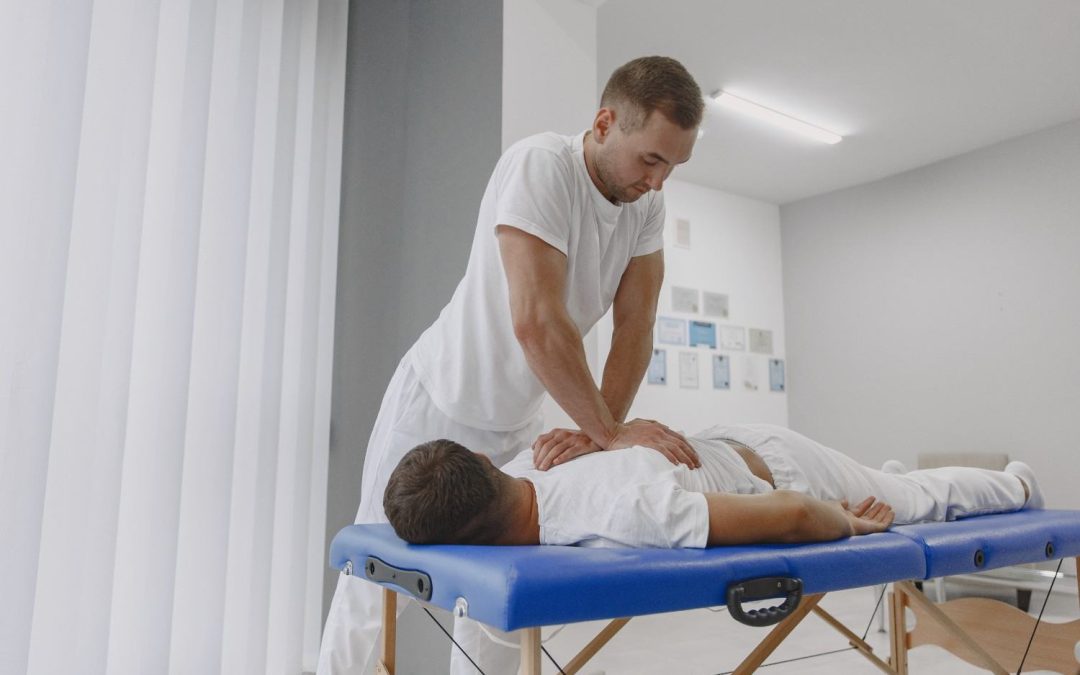
Chronic back pain can make even simple daily activities feel difficult. Sitting at work, walking, bending, sleeping, or getting out of bed may become uncomfortable. Back Pain Treatment in Sector 137 Noida at Dr. Aggarwal Physio focuses on identifying the factors contributing to pain and using suitable physiotherapy approaches to improve movement and function.
Back pain is common, and it does not always come from one specific problem. Poor posture, prolonged sitting, muscle weakness, physical strain, previous injuries, and reduced activity can all contribute to persistent symptoms. According to the World Health Organization (WHO), chronic primary low back pain is commonly managed with non-surgical approaches such as education and structured exercise.
What Causes Chronic Back Pain?
Chronic back pain generally refers to pain that continues for more than 12 weeks. It can affect people of different ages and lifestyles.
Some common contributing factors include:
- Poor sitting or standing posture
- Long hours of desk work
- Weak core and back muscles
- Incorrect lifting techniques
- Repetitive physical activities
- Previous back injuries
- Limited physical activity
- Muscle stiffness and reduced mobility
- Age-related changes in the spine
In many cases, the exact cause of persistent back pain may not be linked to one structural problem. This is why a proper clinical assessment is important before starting treatment. WHO notes that non-specific low back pain represents a large proportion of low back pain cases.
How Back Pain Treatment in Sector 137 Noida Can Help
Effective treatment should focus on more than temporary pain relief. The aim is to help you move better, improve physical function, and gradually return to normal activities.
At Dr. Aggarwal Physio, Back Pain Treatment in Sector 137 Noida can involve a personalized physiotherapy plan based on your symptoms, physical condition, and daily requirements.
A physiotherapist may assess your posture, flexibility, muscle strength, movement patterns, and areas of discomfort. This assessment helps determine which exercises and physical therapy techniques may be appropriate.
Exercise-Based Physiotherapy for Back Pain
Exercise is an important part of managing many cases of chronic low back pain. A structured exercise programme can help improve strength, flexibility, movement, and confidence with physical activity.
Depending on the individual’s condition, treatment may include exercises designed to:
- Strengthen the core muscles
- Improve back and hip flexibility
- Increase spinal mobility
- Improve posture and body mechanics
- Build muscular endurance
- Support a gradual return to daily activities
The exercises should be appropriate for the person’s condition. Doing random exercises from the internet may not always be suitable, especially when pain is persistent or associated with leg symptoms.
WHO recommends structured exercise therapy as part of care for adults with chronic primary low back pain, with programmes ideally tailored to the individual’s clinical profile and circumstances.
Manual Therapy and Other Physiotherapy Techniques
Depending on the assessment, physiotherapy may also include hands-on techniques to support movement and reduce discomfort.
Manual therapy can sometimes be used alongside exercise as part of a broader treatment programme. Techniques may focus on areas with stiffness or restricted movement.
The goal is not simply to provide short-term comfort. Instead, these approaches can be combined with active rehabilitation so that patients gradually become more confident and capable of managing their condition.
WHO also recognizes certain physical therapies, including spinal manipulative therapy and massage, as options that may be considered within a broader approach to chronic primary low back pain.
Posture Correction Can Make a Difference
Poor posture is common among people who spend long hours sitting. Working on a laptop, using a phone, or sitting without adequate support can place additional stress on the back.
However, posture is only one part of the picture. Simply telling someone to “sit straight” may not solve chronic pain.
A better approach is to understand how a person sits, stands, walks, lifts objects, and performs regular activities. Physiotherapy can help identify movement habits that may need improvement.
Small changes can include adjusting the workstation, taking regular movement breaks, changing sitting positions, and learning safer lifting techniques.
Building Strength for Long-Term Back Health
Pain can sometimes make people avoid movement. Unfortunately, prolonged inactivity may lead to reduced muscle strength and physical confidence.
A gradual strengthening programme can help break this cycle. Stronger muscles can support everyday movements and improve the body’s ability to handle physical demands.
With professional guidance, Back Pain Treatment in Sector 137 Noida can focus on progressive rehabilitation rather than relying only on passive treatment. The exact exercises should be selected according to the individual’s needs and tolerance.
Lifestyle Habits That Support Recovery
Physiotherapy works best when healthy movement becomes part of everyday life.
Patients may benefit from:
- Staying physically active within their abilities
- Avoiding prolonged periods of sitting
- Taking regular movement breaks
- Maintaining a healthy body weight
- Improving sleep habits
- Using proper workplace ergonomics
- Following the prescribed exercise programme
- Avoiding sudden increases in physical activity
Regular physical activity is also encouraged in WHO recommendations on physical activity and sedentary behaviour.
When Should You Seek Professional Help?
Occasional back discomfort may improve with appropriate self-care. However, persistent or worsening pain deserves professional attention.
Consider seeking an assessment if your back pain:
- Continues for several weeks
- Keeps returning
- Interferes with work or sleep
- Makes normal movement difficult
- Is accompanied by leg pain, tingling, or numbness
- Causes weakness
- Develops after an injury
Some symptoms may indicate a condition requiring medical evaluation rather than routine physiotherapy. Severe symptoms, significant weakness, loss of bladder or bowel control, or numbness around the groin or saddle area require urgent medical assessment.
Why Choose a Personalized Approach to Back Pain?
Every person’s back pain experience is different. Two people with similar symptoms may need different treatment plans.
This is why Back Pain Treatment in Sector 137 Noida should not follow a one-size-fits-all approach. A personalized plan can consider your pain pattern, mobility, strength, work routine, lifestyle, and rehabilitation goals.
The focus should be on improving function while helping you understand how to manage your back over the long term.
WHO’s chronic low back pain guidance also emphasizes person-centred care and recommends considering physical, psychological, and social factors rather than relying on a single treatment in isolation.
Conclusion
Chronic back pain can affect your mobility, productivity, sleep, and overall quality of life. The right physiotherapy approach can help address movement limitations, muscle weakness, stiffness, and activity-related problems.
Back Pain Treatment in Sector 137 Noida at Dr. Aggarwal Physio can be an important part of a structured, non-surgical approach to managing persistent back pain. With proper assessment, targeted exercises, suitable physiotherapy techniques, posture and activity guidance, and consistent rehabilitation, many people can work towards better movement and improved daily function.
If back pain is affecting your routine or continues to return, professional assessment can help you understand the problem and choose an appropriate path toward recovery.
For More Information, Visit Now: https://share.google/eW3F2yr24W7a2sKnw