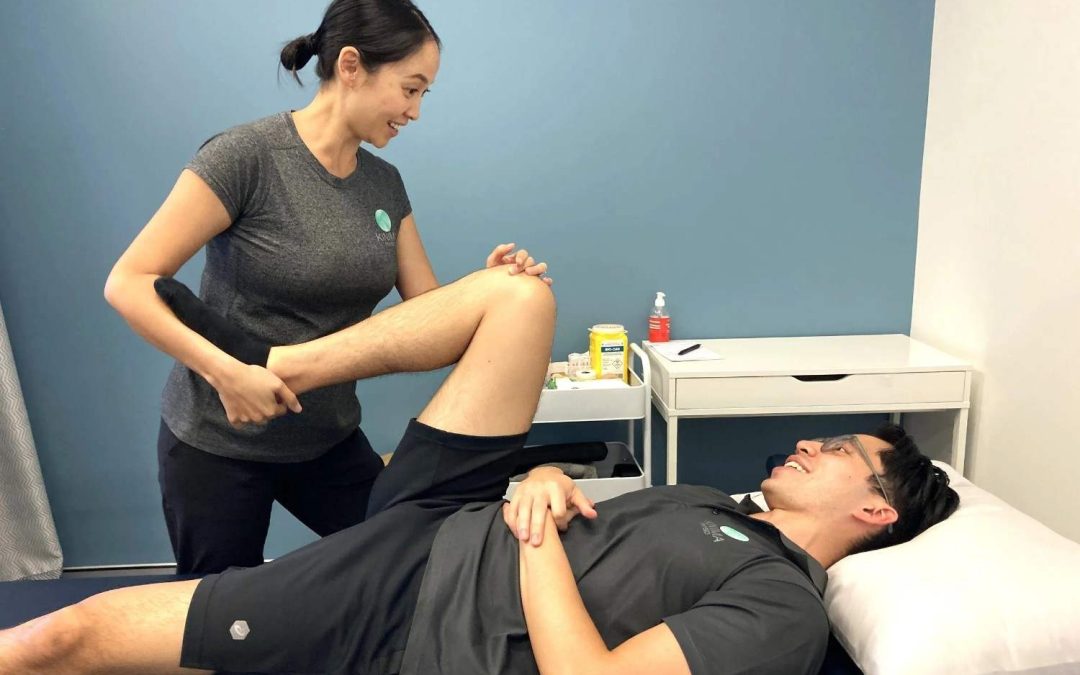
Knee replacement surgery can help reduce severe knee pain and improve mobility. However, recovering well after surgery requires time, patience, and the right rehabilitation plan. Knee Physiotherapy in Noida can help patients regain knee movement, strengthen surrounding muscles, and return to daily activities safely.
After surgery, many people experience swelling, stiffness, muscle weakness, and difficulty walking. These problems can make simple activities, such as standing up, climbing stairs, or getting out of bed, challenging.
Physiotherapy addresses these difficulties through guided exercises and gradual physical activity. At Dr Aggarwal Physio, patients can seek professional guidance to understand their rehabilitation needs and work towards better mobility after knee replacement surgery.
Why Is Physiotherapy Important After Knee Replacement Surgery?
Knee replacement surgery involves replacing damaged joint surfaces with artificial components. Although the surgery aims to improve comfort and function, the surrounding muscles and tissues need time to recover.
Physiotherapy plays an important role in this process. It helps patients gradually restore strength, flexibility, balance, and coordination.
A structured rehabilitation programme may help to:
- Improve knee bending and straightening.
- Strengthen the thigh and calf muscles.
- Reduce stiffness and manage swelling.
- Improve walking patterns and balance.
- Build confidence during everyday movements.
- Support a gradual return to normal activities.
Starting rehabilitation at the appropriate time is important. Your surgeon and physiotherapist will determine which movements are safe for your stage of recovery.
How Does Knee Physiotherapy in Noida Improve Knee Mobility?
Limited movement is common during the early stages of recovery. Swelling, discomfort, and muscle tightness can make it difficult to bend or straighten the operated knee.
Knee Physiotherapy in Noida can help improve mobility through controlled exercises tailored to your progress.
1. Gentle Range-of-Motion Exercises
These exercises help restore knee bending and straightening. Your physiotherapist may recommend supported knee bends and gentle extension exercises, depending on your condition.
Regular practice helps prevent excessive stiffness and improves movement over time.
2. Gradual Walking Practice
Walking is an important part of rehabilitation. Initially, you may need a walker or another prescribed walking aid.
Your physiotherapist can guide you on correct posture, step length, weight distribution, and safe movement. As your strength improves, walking distance can increase gradually.
3. Flexibility Exercises
Gentle exercises help maintain flexibility in the muscles surrounding the knee and hip. Better flexibility can make sitting, standing, and walking more comfortable.
Always follow your prescribed exercise routine. Avoid forcing the knee into a painful position.
How Does Physiotherapy Help Strengthen Knee Muscles?
Muscle weakness can affect balance and make walking difficult after surgery. The quadriceps muscles at the front of the thigh are particularly important for straightening the knee and controlling movement.
A physiotherapist may introduce suitable strengthening exercises as recovery progresses.
Common exercises may include:
- Quadriceps sets: Tightening the thigh muscles while keeping the leg supported.
- Ankle pumps: Moving the feet up and down to encourage circulation.
- Straight leg raises: Lifting the leg while maintaining the knee position, when appropriate.
- Supported knee bends: Gently bending the operated knee within the prescribed range.
- Sit-to-stand practice: Learning to stand up and sit down safely when ready.
These exercises should be selected according to your recovery stage and individual abilities. Do not start advanced exercises without professional guidance.
Can Knee Physiotherapy Reduce Pain and Swelling?
Pain and swelling are common after knee replacement surgery. Some discomfort during movement may occur, particularly in the first few weeks.
Physiotherapy can help manage these symptoms through appropriate movement, exercise progression, and advice on positioning and activity levels.
Your physiotherapist may recommend:
- Gentle exercises to maintain circulation.
- Short walking sessions with adequate rest.
- Elevating the leg when appropriate.
- Ice application according to your clinical instructions.
- Gradually increasing activity without overloading the knee.
The aim is to maintain movement while allowing the tissues to heal. Exercise should not cause severe or steadily increasing pain.
If swelling suddenly increases, the wound becomes red or starts draining, or you develop fever, contact your surgeon promptly. New calf pain, chest pain, or shortness of breath may indicate a serious complication and requires urgent medical attention.
What Are the Stages of Recovery After Knee Replacement?
Recovery varies depending on your age, general health, surgical procedure, and progress with rehabilitation. There is no single timeline that suits every patient.
Early Recovery: The First Few Weeks
The initial focus is on safe movement, swelling management, and basic exercises. You may practise getting out of bed, standing, and walking with an appropriate aid.
Your physiotherapist will also explain safe ways to move around your home.
Middle Recovery: Building Strength and Mobility
As your knee heals, exercises may become more challenging. Treatment may focus on improving knee movement, strengthening muscles, and increasing walking tolerance.
You may gradually practise activities such as standing for longer periods and using stairs safely.
Later Recovery: Returning to Daily Activities
Further rehabilitation focuses on balance, endurance, and functional strength. Depending on your progress, you may work towards activities such as shopping, household tasks, or returning to work.
Many patients improve considerably over several weeks, but complete recovery can take several months or longer. Follow your surgeon’s advice before resuming driving, strenuous exercise, or other demanding activities.
Why Choose Professional Knee Physiotherapy in Noida?
Every patient has different rehabilitation needs. Factors such as pre-existing arthritis, muscle strength, balance, and general fitness can influence recovery.
Choosing Knee Physiotherapy in Noida allows patients to seek guided rehabilitation and learn how to perform exercises correctly.
Professional physiotherapy may help you:
- Follow a structured recovery plan.
- Learn safe exercise techniques.
- Track improvements in knee movement.
- Adjust exercise intensity as your strength improves.
- Practise walking and everyday movements safely.
- Identify problems that require medical assessment.
At Dr Aggarwal Physio, patients can enquire about physiotherapy services and discuss an appropriate rehabilitation plan based on their needs. Treatment should be coordinated with the treating orthopaedic surgeon, particularly during the early postoperative period.
Tips for a Smoother Knee Replacement Recovery
Your daily habits can support your physiotherapy programme. Consistency is important, but pushing yourself too hard can increase discomfort and swelling.
Keep these practical tips in mind:
- Follow your prescribed exercise routine regularly.
- Use your walking aid until your healthcare team advises otherwise.
- Keep the surgical wound clean and follow wound-care instructions.
- Take prescribed medicines as directed by your doctor.
- Balance exercise with adequate rest.
- Avoid sudden twisting movements and strenuous activities until cleared.
- Attend follow-up appointments and report unexpected symptoms.
Remember that recovery is gradual. Comparing your progress with someone else’s may create unnecessary pressure. Focus on your own improvement and follow professional advice.
Conclusion
Knee replacement surgery is an important step towards improving mobility, but rehabilitation is essential for making the most of the procedure. With suitable exercises, gradual strengthening, and professional guidance, patients can work towards better knee movement, improved balance, and greater independence.
Knee Physiotherapy in Noida can support recovery by addressing stiffness, muscle weakness, walking difficulties, and challenges with everyday activities. The right programme should match your surgical instructions, current abilities, and recovery goals.
If you have undergone knee replacement surgery, consult your surgeon and a qualified physiotherapist to plan your next steps. At Dr Aggarwal Physio, you can enquire about physiotherapy options to support your recovery journey.
FAQs
1. When should physiotherapy start after knee replacement surgery?
Physiotherapy often begins within 24 hours of surgery when the patient is medically stable and the treating team considers it safe. The exact timing depends on the procedure, health status, and hospital protocol.
2. How long does physiotherapy take after knee replacement surgery?
Many patients need several weeks of structured rehabilitation, while others require several months. The duration depends on knee mobility, muscle strength, general health, and progress towards individual goals.
3. Which exercises are commonly recommended after knee replacement?
Common exercises include ankle pumps, quadriceps contractions, supported knee bends, and gradual walking practice. Your physiotherapist will select exercises according to your recovery stage and the surgeon’s instructions.
4. Is knee pain normal during physiotherapy after surgery?
Mild discomfort and temporary swelling can occur during recovery. However, severe pain, worsening symptoms, or sudden swelling should not be ignored. Contact your healthcare provider if these symptoms develop.
5. How can I find Knee Physiotherapy in Noida after knee replacement?
Look for a qualified physiotherapist experienced in postoperative knee rehabilitation. Ask about individualised exercise plans, progress monitoring, mobility training, and coordination with your orthopaedic surgeon. Choose a service that follows your medical instructions and recovery needs.
For More Information, Visit Now: https://share.google/eW3F2yr24W7a2sKnw