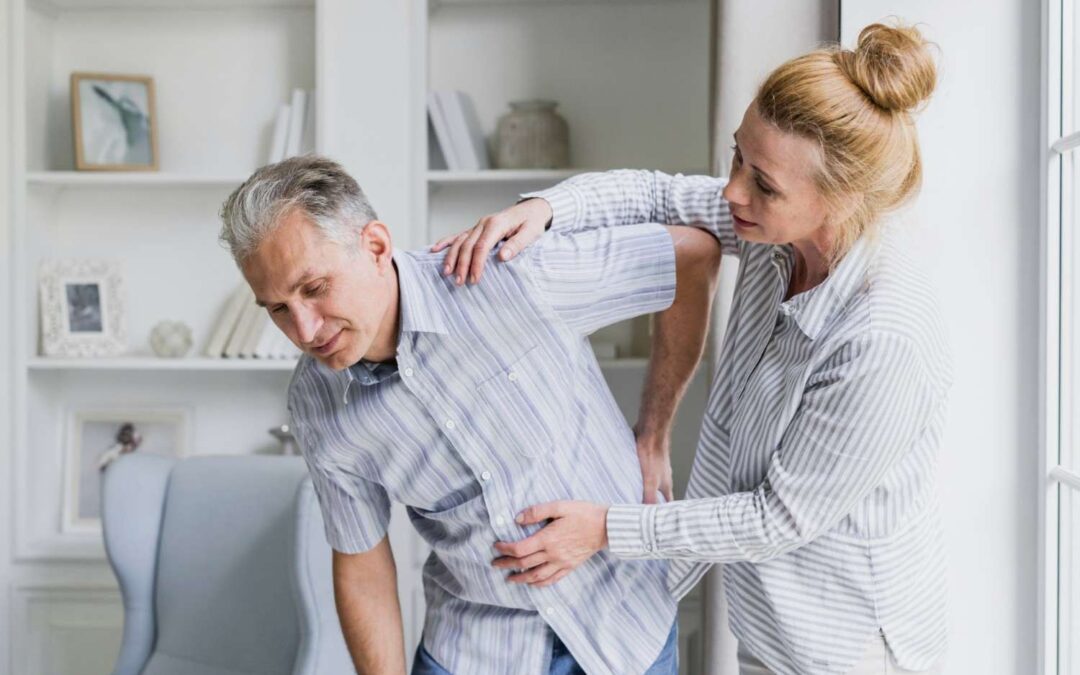
A slip disc, also called a herniated or prolapsed disc, can cause anything from mild back discomfort to severe pain that travels into the legs. If you are experiencing persistent back pain, tingling, numbness, or difficulty moving, timely evaluation is important. Slip Disc Treatment in Noida can involve physiotherapy, exercise-based rehabilitation, lifestyle changes, and medical assessment depending on the severity of symptoms.
Understanding the symptoms can help you decide when professional care may be appropriate. While many disc-related problems improve with conservative treatment, certain symptoms require urgent medical attention.
What Is a Slip Disc?
The spine contains small cushions called discs between the vertebrae. These discs help absorb pressure and allow the spine to move comfortably. A herniated or slipped disc occurs when part of a disc pushes through its outer layer and may irritate or compress nearby nerves.
The condition can occur in different parts of the spine. When it affects the lower back, symptoms may extend from the back into the buttocks and legs. This type of radiating pain is commonly associated with sciatica.
Common Symptoms of a Slip Disc
Symptoms can vary depending on the location of the affected disc and whether a nerve is irritated. Some people may have a disc problem without noticeable symptoms.
Common symptoms include:
- Lower back pain
- Pain spreading to the buttocks, hip, or leg
- Tingling or pins-and-needles sensations
- Numbness in the leg or foot
- Muscle weakness
- Difficulty bending or straightening the back
- Pain that becomes worse with certain movements
- Difficulty standing, walking, or performing normal activities
When a nerve is irritated, pain may travel along its pathway rather than staying only in the lower back.
Slip Disc and Sciatica: Are They the Same?
Slip disc and sciatica are related but are not exactly the same condition.
A herniated disc can irritate or compress a nerve root, which may result in sciatic pain. Sciatica generally refers to pain that travels along the sciatic nerve, often from the lower back through the buttock and into the leg.
However, not every person with a slip disc develops sciatica, and not every case of sciatica is caused by a disc problem. A proper assessment is therefore important before deciding on treatment.
When Should You Seek Slip Disc Treatment in Noida?
You should consider professional evaluation when back pain continues, interferes with daily activities, or is accompanied by symptoms such as persistent numbness, tingling, or weakness.
It is especially important to seek assessment if:
- Pain continues for several weeks
- Pain is affecting your work or daily activities
- Pain travels from the back into the leg
- Numbness or tingling keeps returning
- You notice weakness in the leg or foot
- Symptoms are becoming progressively worse
- Home care and normal activity are not improving your symptoms
Early assessment can help identify the likely cause of your symptoms and determine whether physiotherapy, medical management, imaging, or specialist referral is appropriate.
How Slip Disc Treatment in Noida May Help
Treatment depends on your symptoms, physical examination, functional limitations, and overall condition. Many people with disc-related symptoms are initially managed without surgery.
A physiotherapy-based rehabilitation plan may include:
1. Exercise Therapy
Specific exercises may help improve movement, strength, flexibility, and functional capacity. Exercises should be selected according to the individual’s symptoms rather than following a generic routine.
2. Posture and Movement Education
Poor movement habits, prolonged sitting, and incorrect lifting techniques can contribute to back strain. A physiotherapist can teach safer ways to sit, bend, lift, and move during daily activities.
3. Strengthening Exercises
Strengthening appropriate muscles around the trunk, hips, and legs may support better movement and physical function. The exercises should be progressed gradually according to tolerance.
4. Pain Management
Depending on the cause and severity of symptoms, treatment may include activity modification and other conservative approaches. Medication decisions should be discussed with an appropriate healthcare professional.
5. Gradual Return to Normal Activities
Long periods of complete bed rest are generally not recommended for uncomplicated back pain. Gradually returning to suitable activities can support recovery, provided the activity does not significantly worsen symptoms.
When Is Slip Disc an Emergency?
Some symptoms should not be managed by waiting for a routine physiotherapy appointment.
Seek urgent medical attention if back pain is accompanied by:
- New difficulty passing urine
- Loss of bladder or bowel control
- Numbness around the genitals, buttocks, or inner thighs
- Significant or rapidly worsening weakness in the legs
- Severe symptoms affecting both legs
- Symptoms following a serious accident or trauma
These can indicate serious nerve compression and require prompt medical assessment.
Can Physiotherapy Help With a Slip Disc?
Physiotherapy can be part of conservative management for many people with disc-related back pain. A physiotherapist can assess movement, strength, symptoms, and functional limitations before developing an individualized rehabilitation programme.
The aim is not simply to reduce pain for a short period. Treatment may also focus on improving mobility, restoring strength, increasing confidence with movement, and helping the patient return to normal activities.
Current clinical guidance also recognizes structured physiotherapy and exercise programmes as part of conservative management for suitable spinal conditions.
How Can You Reduce the Risk of Future Back Problems?
Although every case cannot be prevented, maintaining regular physical activity and using safe lifting techniques can help support spinal health.
Some useful habits include:
- Stay physically active.
- Avoid prolonged periods of inactivity.
- Use proper lifting techniques.
- Take movement breaks during long periods of sitting.
- Build strength gradually.
- Maintain a healthy body weight.
- Avoid suddenly increasing exercise intensity.
If a particular movement repeatedly causes pain, get professional guidance rather than continuing through severe symptoms.
Why Timely Assessment Matters
Back pain does not always mean that you have a slip disc. Muscle strain, joint problems, nerve irritation, and other spinal conditions can produce similar symptoms.
For this reason, self-diagnosis can sometimes be misleading. A professional assessment can help determine the likely source of symptoms and whether further investigation is needed.
For people looking for Slip Disc Treatment in Noida, an individualized approach is more appropriate than relying on a single exercise or treatment technique.
5 Informational FAQs About Slip Disc
1. What is the most common symptom of a slip disc?
Lower back pain is a common symptom. If a nearby nerve is irritated, pain may also travel into the buttock or leg and may be accompanied by tingling, numbness, or weakness.
2. Can a slip disc heal without surgery?
Many people with slipped-disc symptoms improve with conservative treatment and do not require surgery. Depending on the symptoms, treatment may include maintaining suitable activity, pain management, physiotherapy, and exercise. Persistent or worsening neurological symptoms require medical evaluation.
3. Is walking good for a slip disc?
Gentle activity such as walking may be suitable for many people with uncomplicated back pain and can help maintain movement. However, the activity should be adjusted if it significantly increases symptoms.
4. When should I see a physiotherapist for slip disc symptoms?
Consider an assessment when pain persists, affects daily activities, or is associated with radiating pain, tingling, numbness, or movement difficulties. A physiotherapist can assess your condition and determine whether an exercise-based rehabilitation programme is appropriate.
5. What symptoms require urgent medical attention?
New bladder or bowel problems, numbness around the genital or buttock area, or severe and rapidly worsening weakness in the legs require urgent medical assessment because they can indicate serious nerve compression.
Conclusion
A slip disc can cause back pain, radiating leg pain, tingling, numbness, or weakness, but symptoms can differ from person to person. Many cases can improve with appropriate conservative care, including physiotherapy and gradual exercise.
If your symptoms are persistent or affecting your daily life, seeking professional evaluation can help you understand the cause and choose an appropriate treatment plan. For individuals searching for Slip Disc Treatment in Noida, Dr. Aggarwal Physio focuses on assessment and individualized physiotherapy-based rehabilitation according to the patient’s symptoms and functional needs.
If you experience serious warning signs such as bladder or bowel changes, saddle-area numbness, or rapidly worsening leg weakness, seek urgent medical care rather than waiting for routine treatment.
For More Information, Visit Now: https://share.google/eW3F2yr24W7a2sKnw