
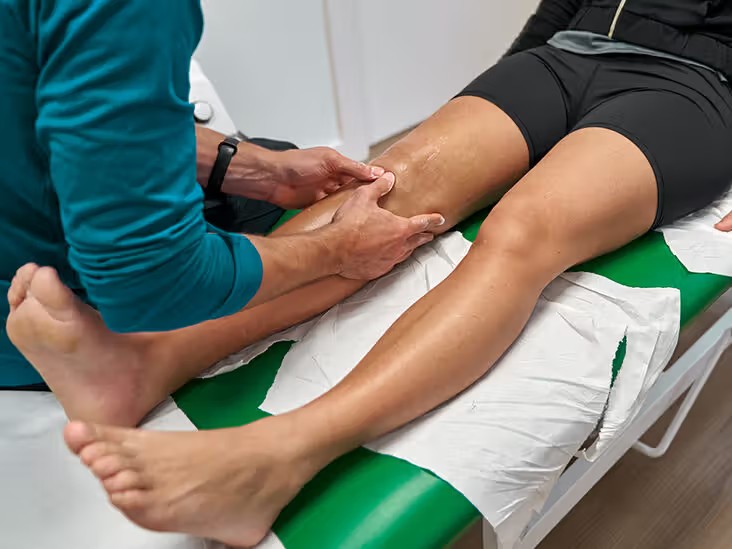
Knee pain can make everyday activities difficult. Walking, climbing stairs, sitting for long periods, and standing up from a chair may become uncomfortable. Knee Pain Treatment in Sector 137 Noida can help manage discomfort, improve joint mobility, and strengthen the muscles that support the knee. Physiotherapy focuses on improving movement and helping patients return to their daily routines safely.
Knee pain can affect people of all ages. It may develop because of an injury, arthritis, muscle weakness, or repetitive strain. With the right assessment and a personalised exercise programme, many people can improve their knee function and physical confidence.
What Causes Knee Pain and Reduced Joint Mobility?
The knee is one of the body’s major weight-bearing joints. It supports the body during walking, running, bending, and standing. Therefore, problems affecting the knee can limit everyday movement.
Some common causes of knee pain include:
- Osteoarthritis: Joint changes can cause stiffness, swelling, and discomfort.
- Sports injuries: Sudden movements may damage ligaments, tendons, or cartilage.
- Muscle weakness: Weak thigh and hip muscles can affect knee stability.
- Tendon problems: Repetitive activities can irritate the tendons around the knee.
- Overuse: Excessive exercise or prolonged standing may increase discomfort.
- Post-surgical stiffness: Movement may become restricted after knee surgery.
Identifying the cause is an important first step. A physiotherapist can assess your strength, flexibility, balance, and range of motion before recommending suitable treatment.
How Does Physiotherapy Improve Knee Strength?
Physiotherapy uses targeted exercises to strengthen the muscles surrounding the knee. Stronger muscles help support the joint and improve control during everyday movements.
1. Strengthens the Quadriceps and Hamstrings
The quadriceps are the muscles at the front of the thigh. The hamstrings are located at the back. Both muscle groups play an important role in knee movement and stability.
When these muscles become weak, activities such as climbing stairs and getting up from a chair may feel more difficult.
A physiotherapist may recommend straight-leg raises, seated knee extensions, or other strengthening exercises. The programme is adjusted to your pain levels and physical ability.
Gradual strengthening can improve knee support and make everyday activities easier.
2. Improves Hip Strength and Knee Stability
The hips also influence how the knees move. Weak hip muscles may affect leg alignment during walking, running, and standing.
Physiotherapy may include exercises that strengthen the hip muscles and improve movement control. Examples include side-leg raises and selected resistance exercises.
Better hip strength can help improve lower-limb stability. However, the exercises must be appropriate for your condition.
3. Builds Strength Through Functional Exercises
Functional exercises prepare the body for everyday activities. These movements help patients practise using their knee muscles during normal tasks.
Examples include controlled sit-to-stand movements, supported squats, and step-up exercises. The physiotherapist selects exercises according to the patient’s recovery stage.
Knee Pain Treatment in Sector 137 Noida may include progressive strengthening to help patients regain confidence in walking, standing, and climbing stairs.
How Does Physiotherapy Improve Knee Joint Mobility?
Joint mobility refers to how comfortably and freely a joint moves. Knee stiffness can limit bending and straightening, making routine activities more challenging.
Physiotherapy addresses these limitations through suitable exercises and movement techniques.
1. Increases Knee Flexibility
Tight muscles around the knee can contribute to discomfort and restricted movement. Gentle stretching may help improve flexibility and reduce stiffness.
A physiotherapist may recommend quadriceps, hamstring, or calf stretches depending on the cause of the problem.
Stretching should feel controlled and comfortable. Forcing a painful joint into a deeper stretch can worsen symptoms.
2. Improves Range of Motion
Range-of-motion exercises help maintain or gradually improve knee bending and straightening. These exercises can be especially useful after an injury, surgery, or period of reduced activity.
Depending on the condition, treatment may include gentle heel slides, supported knee bends, and controlled leg extensions.
Regular practice can help improve movement over time. However, progress varies according to the underlying condition and the stage of recovery.
3. Reduces Stiffness After Rest
Some people experience knee stiffness after sitting for a long time or waking up in the morning. Gentle movement may help ease this discomfort.
A physiotherapist can teach simple mobility exercises that suit your condition. Short movement breaks during the day may also help, provided your doctor has not advised otherwise.
If stiffness is persistent or accompanied by significant swelling, a medical assessment is important.
How Can Knee Pain Treatment in Sector 137 Noida Support Recovery?
A structured physiotherapy programme addresses more than pain alone. It also focuses on improving strength, flexibility, balance, and daily function.
At Dr Aggarwal Physio, an appropriate treatment plan may involve the following steps.
Initial assessment: The physiotherapist reviews your symptoms, medical history, movement, and physical limitations.
Personalised exercises: Suitable exercises are selected according to your condition and goals.
Progress monitoring: Your response to treatment is assessed, and the exercise programme is adjusted when needed.
Movement guidance: You learn how to perform exercises correctly and avoid unnecessary strain.
Home exercise plan: Regular practice between appointments can help support progress.
The aim is to help patients improve mobility and manage symptoms safely. Treatment methods depend on the diagnosis and individual needs.
Can Physiotherapy Help With Knee Arthritis and Sports Injuries?
Yes. Physiotherapy is commonly used to manage many knee conditions, including osteoarthritis and selected sports injuries.
For knee osteoarthritis, strengthening and appropriate physical activity may improve function and help manage pain. Although exercise cannot reverse joint damage, it can support mobility and daily independence.
For sports injuries, rehabilitation may focus on restoring movement, strength, balance, and coordination. The programme depends on the injured structure and the severity of the injury.
Some injuries require medical examination or imaging before rehabilitation begins. A physiotherapist can guide you on when further assessment is necessary.
Simple Tips to Maintain Healthy Knee Joints
Along with professional treatment, healthy daily habits can support knee function.
- Stay physically active within your comfort level.
- Follow your prescribed exercise programme consistently.
- Avoid suddenly increasing exercise intensity.
- Wear suitable footwear for walking and physical activity.
- Take movement breaks if you sit for long periods.
- Follow professional advice about weight management and joint protection.
Avoid exercises that cause sharp or increasing pain. If your symptoms worsen, stop the activity and seek professional guidance.
When Should You Seek Professional Knee Pain Treatment?
Consider consulting a physiotherapist if knee pain continues, stiffness limits movement, or walking becomes difficult. Early assessment may help identify the problem and guide appropriate treatment.
However, some symptoms need urgent medical attention. Seek prompt assessment if you cannot bear weight after an injury, the knee becomes severely swollen, or you notice a visible deformity. A hot, red knee accompanied by fever also requires urgent evaluation.
Do not begin strenuous exercises before serious injuries have been ruled out.
Conclusion
Knee strength and joint mobility are essential for comfortable movement and everyday independence. Physiotherapy can help improve both through targeted strengthening, flexibility exercises, balance training, and gradual rehabilitation.
Knee Pain Treatment in Sector 137 Noida can support people experiencing knee discomfort due to muscle weakness, arthritis, injuries, or restricted movement. The right treatment depends on the underlying cause and the patient’s individual needs.
Dr Aggarwal Physio encourages patients to seek professional guidance when knee pain affects their daily lives. With an appropriate rehabilitation plan and consistent exercise, many people can improve their knee function and work towards a more active lifestyle.
Frequently Asked Questions
1. Can physiotherapy improve knee strength?
Yes. Targeted exercises can strengthen the quadriceps, hamstrings, and hip muscles that support knee movement. Stronger muscles may improve stability and make everyday activities easier.
2. How long does physiotherapy take to improve knee mobility?
The recovery period varies according to the cause and severity of the problem. Some people notice improvements within a few weeks, while others require a longer rehabilitation programme.
3. Is physiotherapy helpful for knee osteoarthritis?
Yes. Appropriate strengthening exercises and physical activity can help manage symptoms and improve function in people with knee osteoarthritis. Physiotherapy does not reverse existing joint damage.
4. Which exercises can help improve knee movement?
Depending on your condition, a physiotherapist may recommend heel slides, straight-leg raises, gentle knee extensions, or selected stretching exercises. Always follow a programme suited to your symptoms and abilities.
5. When should I seek knee pain treatment in Sector 137 Noida?
Consider professional assessment if knee pain persists, stiffness limits movement, or daily activities become difficult. Seek urgent medical care for severe pain, major swelling, deformity, or an inability to bear weight after an injury.
For More Information, Visit Now: https://share.google/eW3F2yr24W7a2sKnw